 Shanghai Eheng Precision Technology Co.,LTD
Silicon Carbide Ceramics in Magnetic Drive Pumps: Enhancing Safety, Reliability, and Performance
Magnetic drive pumps, often referred to as mag-drive pumps, represent a significant advancement in fluid handling technology. As a type of sealless centrifugal pump, they eliminate the need for a traditional rotating shaft seal by utilizing a magnetic coupling to transmit torque. This fundamental shift from dynamic sealing to static sealing makes them the preferred choice for transferring hazardous, expensive, or corrosive fluids—including strong acids, alkalis, flammable solvents, and high-temperature media.
However, the very nature of these applications places exceptional demands on the pump’s internal components. Inside a magnetic drive pump, the hydraulic forces generated by the impeller create radial loads and axial thrust. To maintain stable and efficient operation, critical components such as bearings, shafts, shaft sleeves, and thrust washers must withstand harsh conditions, including abrasive wear, chemical attack, and the risk of dry running. This is where advanced ceramic materials, particularly silicon carbide (SiC), play an indispensable role.
Why Silicon Carbide?
Silicon carbide, especially in its pressureless sintered form (SSiC), has emerged as the benchmark material for wear parts in magnetic drive pumps. Its unique combination of properties directly addresses the core challenges of sealless pump operation:
1. Exceptional Hardness and Wear
Resistance
Magnetic drive pumps rely on internal bearings and sleeves to support the
rotating assembly, with the fluid itself acting as a lubricant. SSiC’s extreme
hardness (second only to diamond) provides outstanding resistance to sliding
wear, even when handling fluids containing solid particulates or when operating
under boundary lubrication conditions. This minimizes clearances over time,
preserving hydraulic efficiency and preventing catastrophic failure.
2. Superior Chemical Inertness
Unlike metallic materials, SSiC is chemically inert across the entire pH range.
It remains unaffected by aggressive chemicals such as sulfuric acid, nitric
acid, sodium hydroxide, and organic solvents like toluene or benzene. This
ensures that critical components like the shaft-protecting sleeve—which
guards the shaft against mechanical and chemical-mechanical damage—maintain
their structural integrity over extended service life.
3. High Thermal Conductivity and Low
Thermal Expansion
Mag-drive pumps often handle high-temperature liquids. SSiC’s high thermal
conductivity helps dissipate frictional heat generated at bearing surfaces,
reducing the risk of thermal degradation. Its low coefficient of thermal
expansion ensures tight dimensional stability across wide temperature
fluctuations, preventing seizure or excessive leakage clearances.
4. Excellent Dry Running Capability
While magnetic drive pumps are designed to be lubricated by the process fluid,
unexpected process upsets can lead to momentary loss of fluid. SSiC’s
self-lubricating properties and toughness allow it to withstand short-term dry
running better than materials like alumina or carbon, providing an extra margin
of safety in critical applications.
Critical Components in the Magnetic Drive Pump
The synergy between design and material is most evident in the following components:
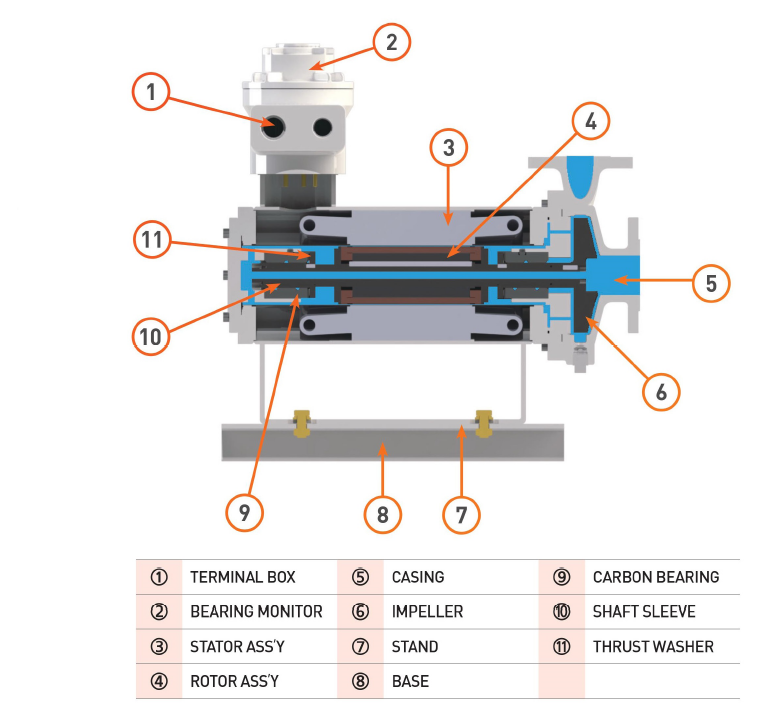
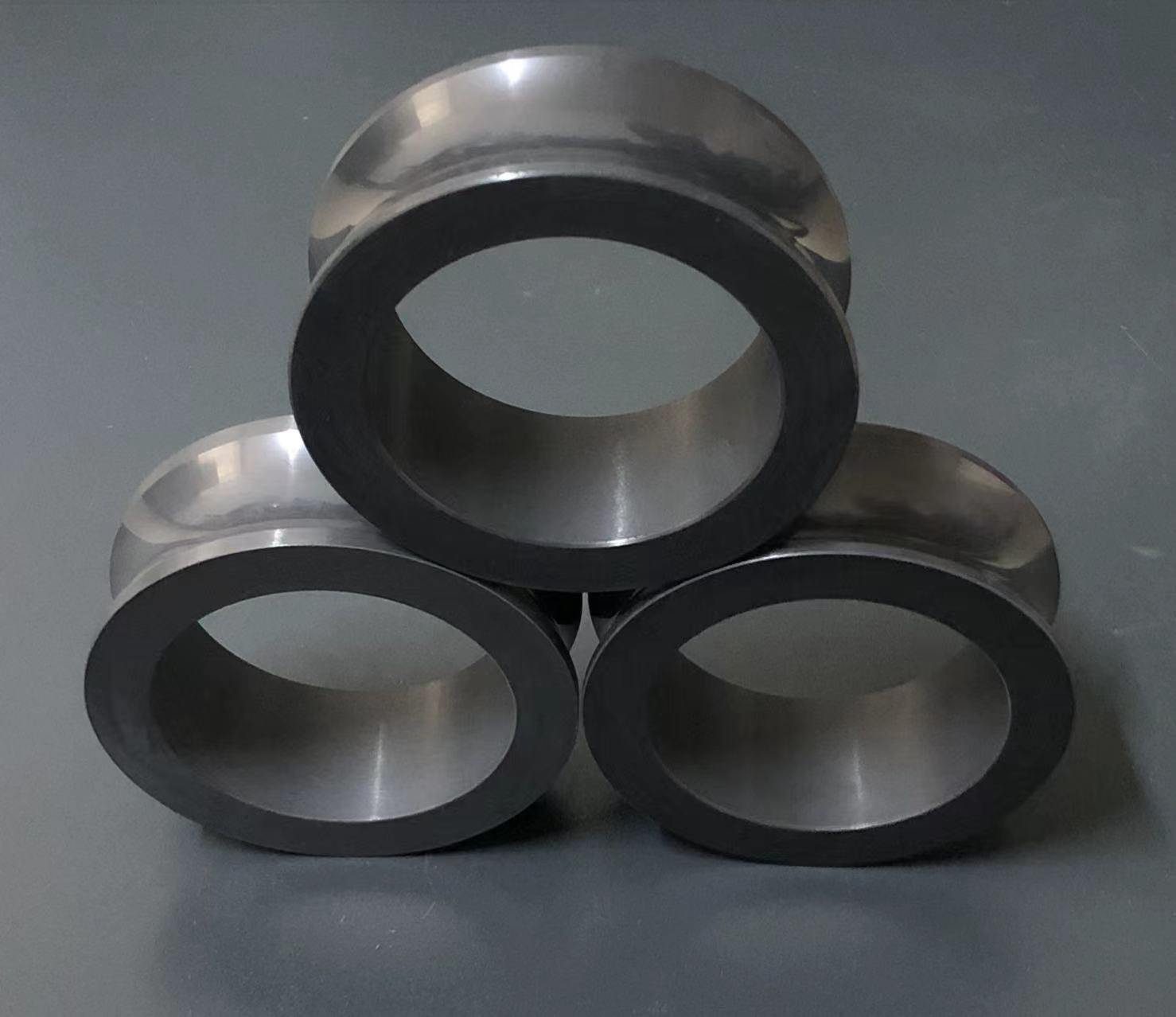
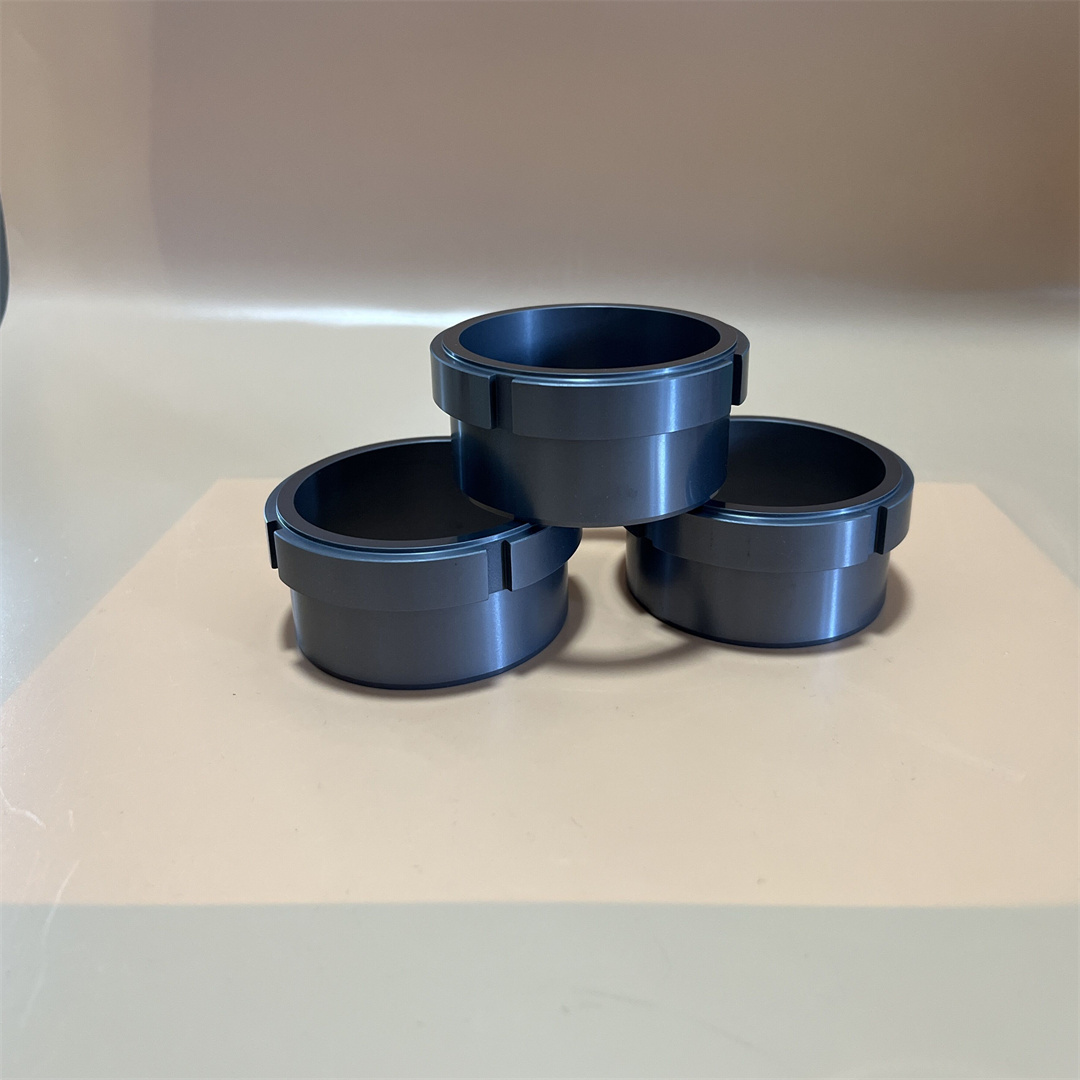
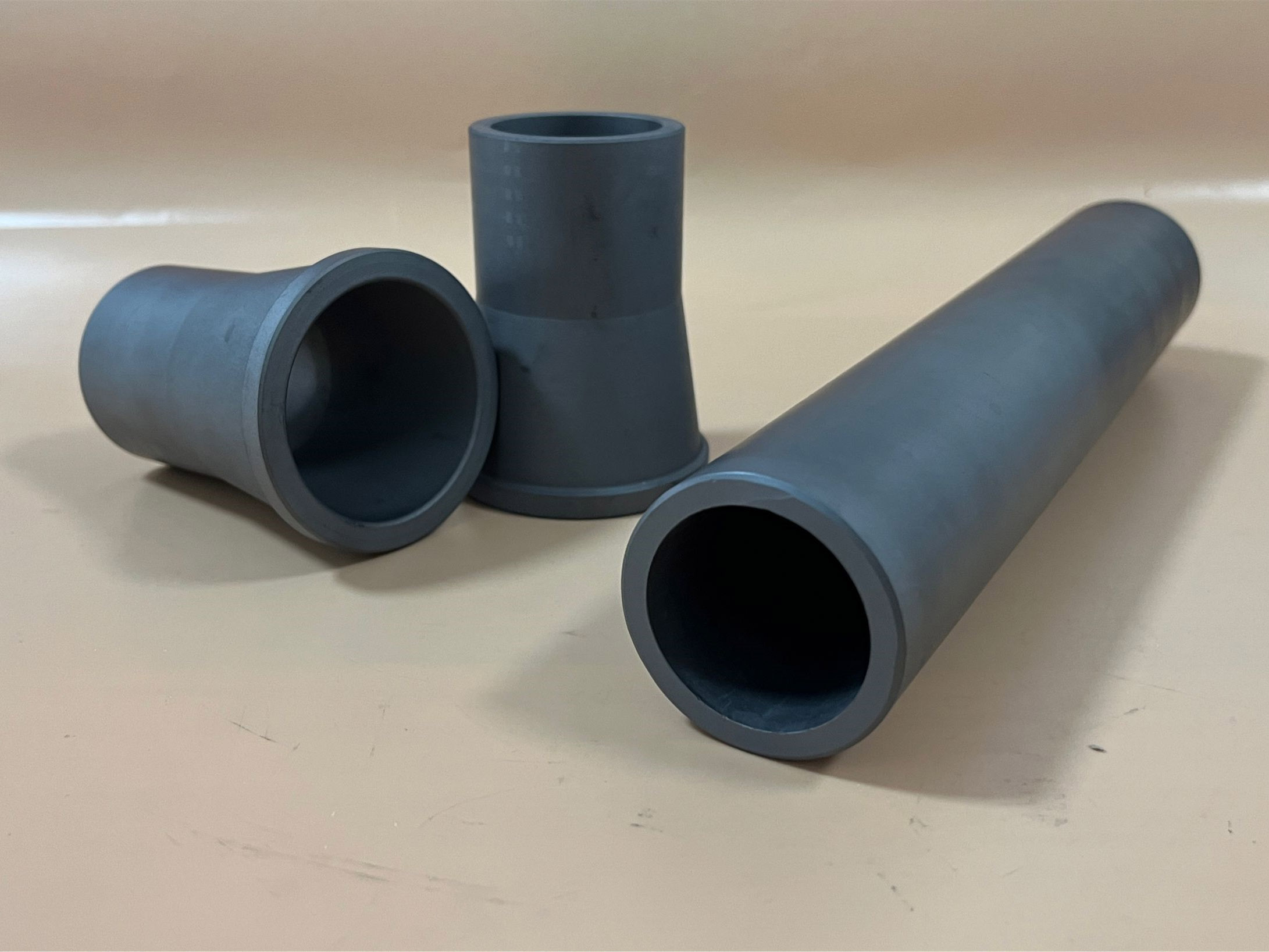
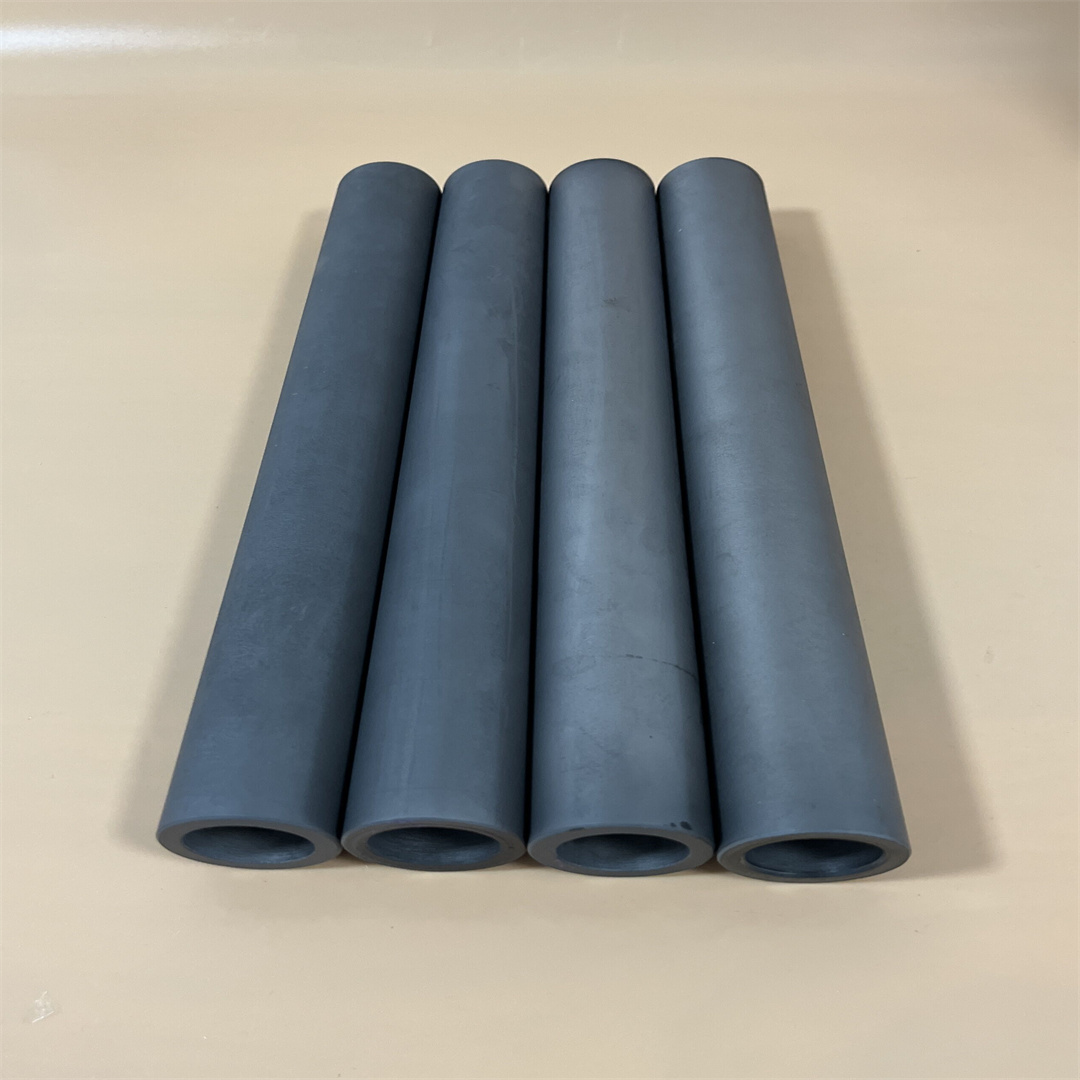
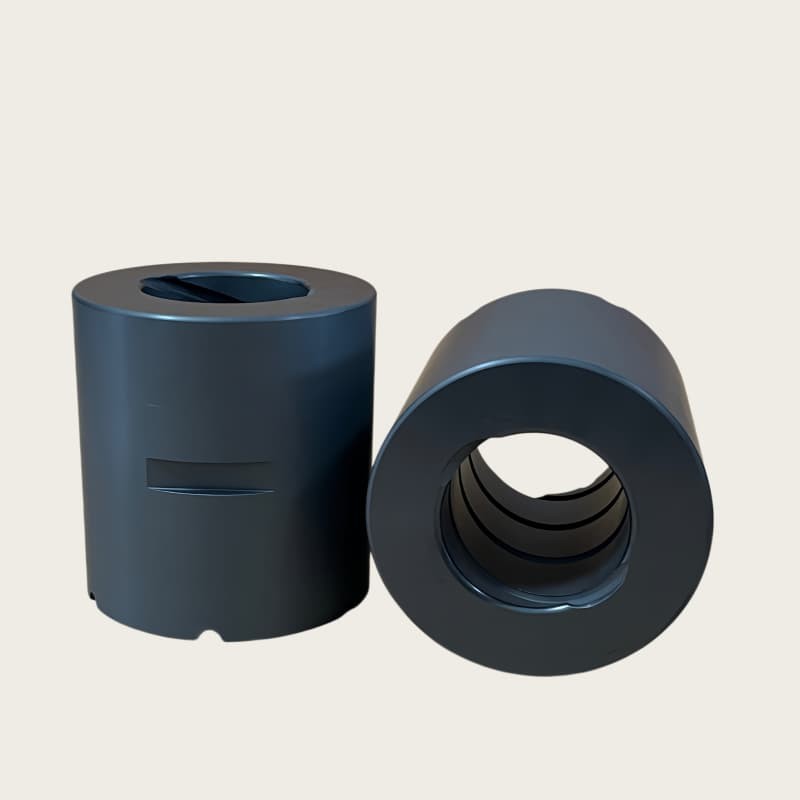
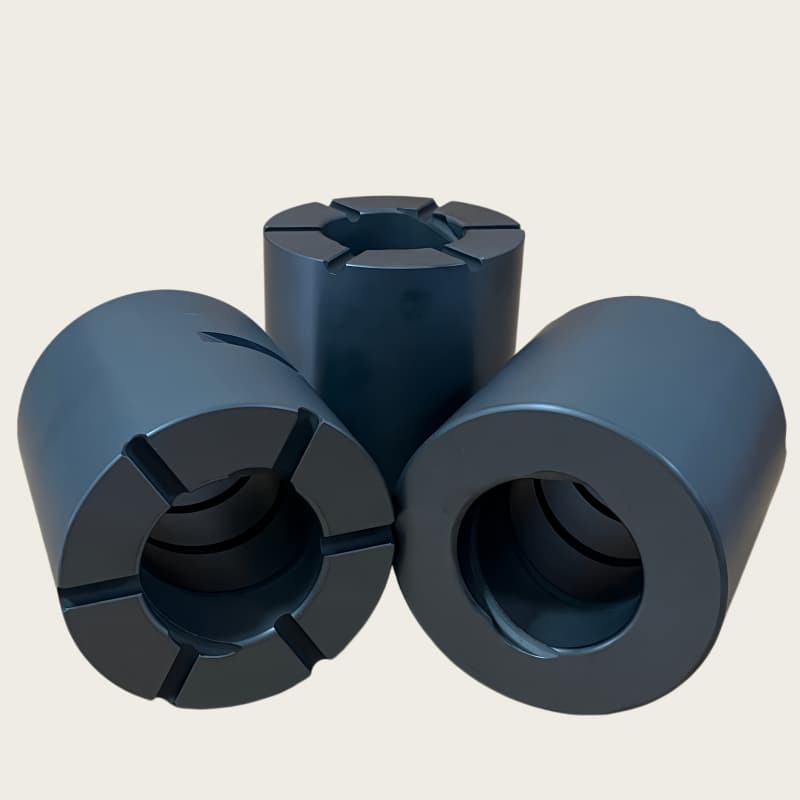
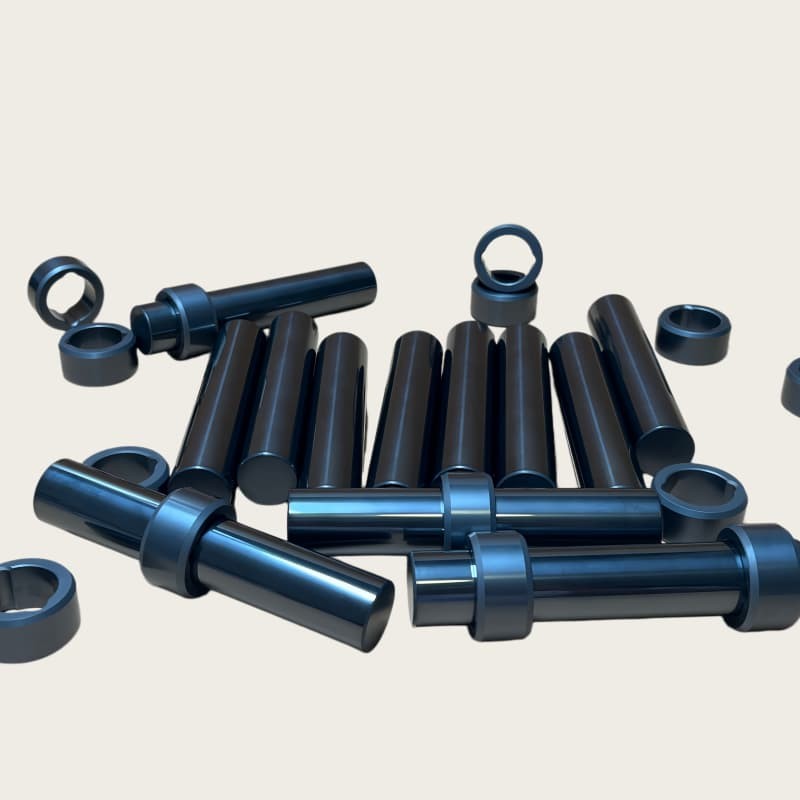
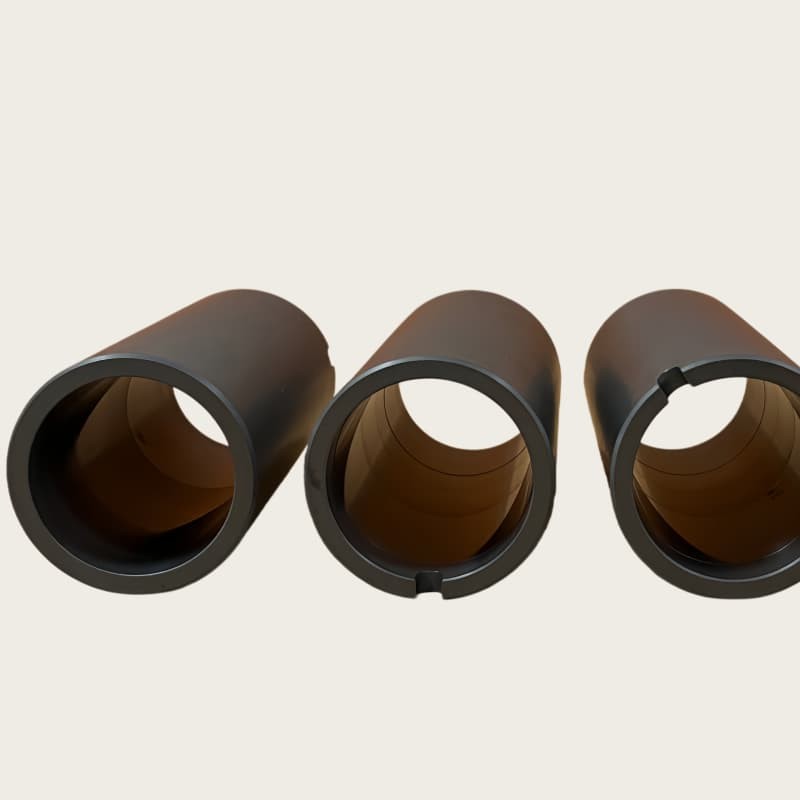
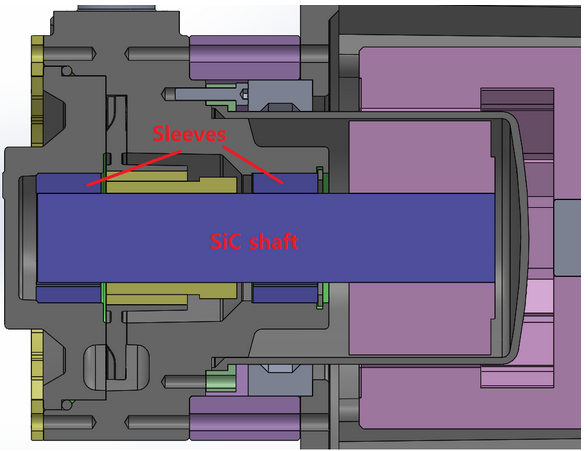
· Bearings and Shaft Sleeves: These components form the primary support system for the rotating assembly. By utilizing SSiC for both the bearing and the sleeve (a "hard-on-hard" pairing), manufacturers achieve minimal friction coefficients, high load capacity, and exceptional longevity. This pairing eliminates the need for soft, replaceable wear surfaces that would otherwise require frequent maintenance.
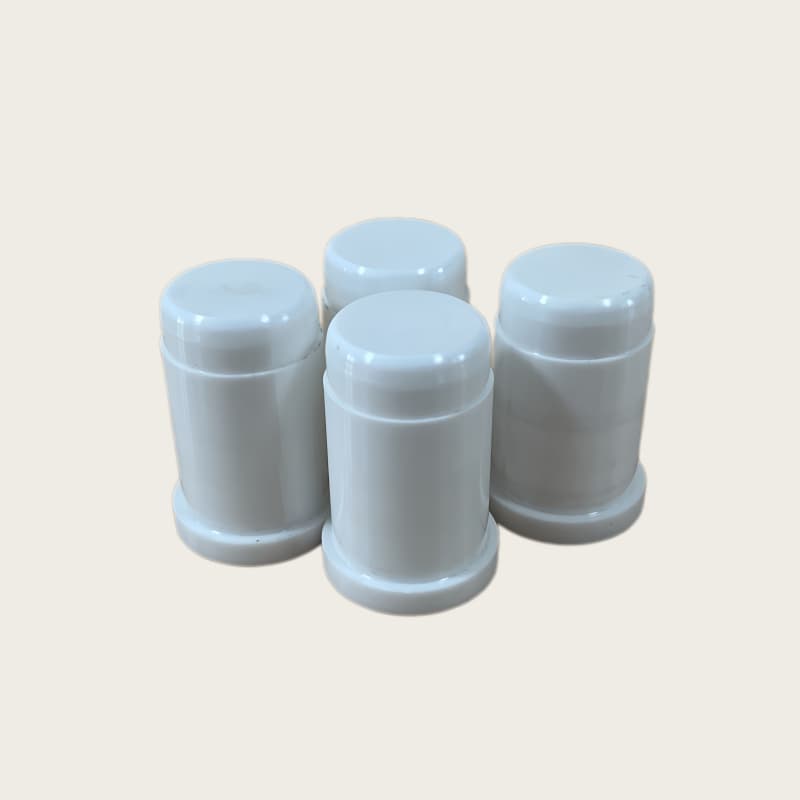
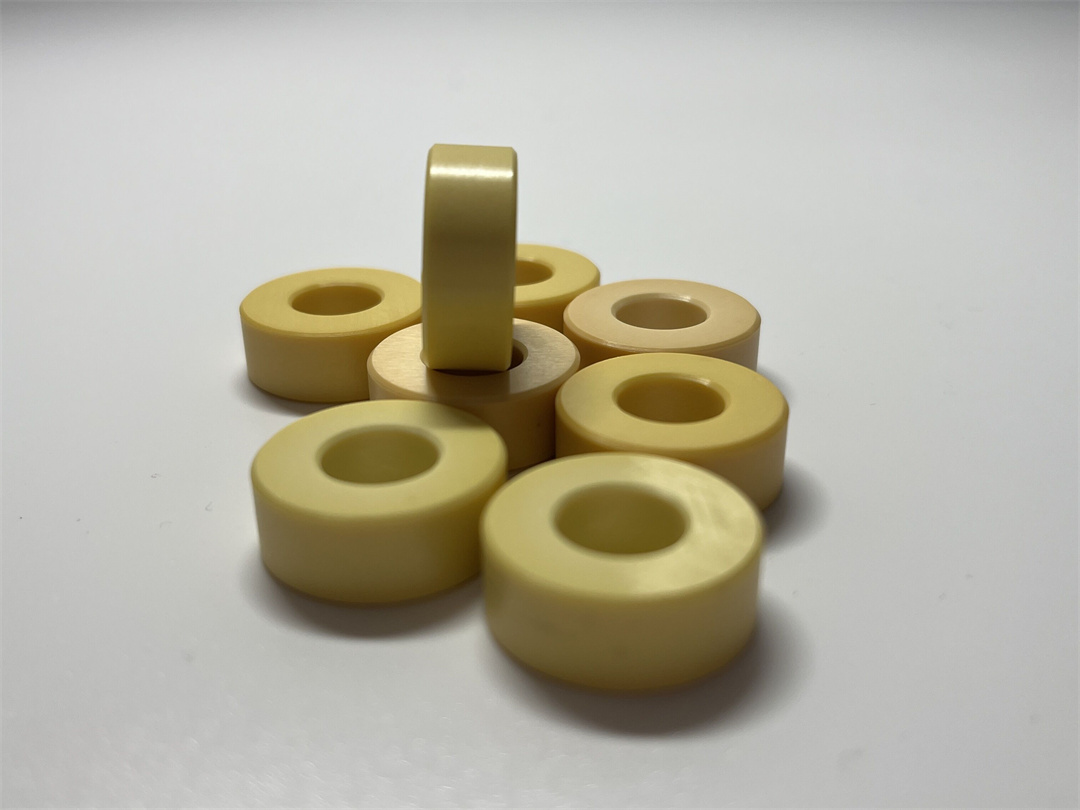
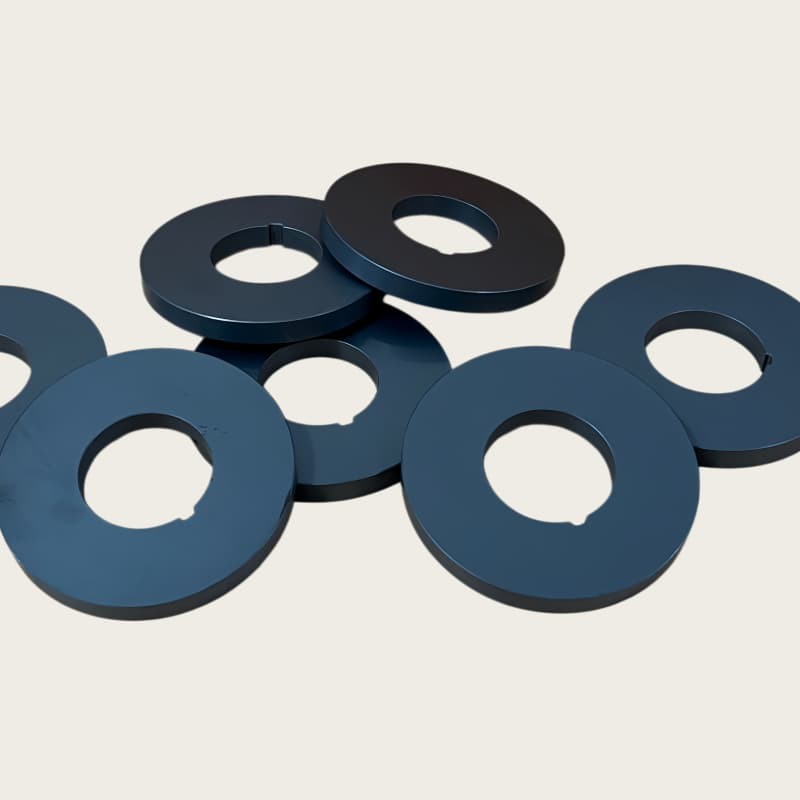
· Thrust Washers: To manage axial thrust, thrust washers act as contact surfaces that absorb residual hydraulic forces. SSiC thrust washers provide a durable, flat surface that resists galling and maintains precise axial positioning of the impeller.
· Containment Can Liners: While not a rotating component, the inner surface of the containment can (or "magnetic jar") often employs silicon carbide coatings or components to prevent eddy current losses and protect against corrosive breakthrough.
Customization and Engineered Solutions
Not all fluid handling challenges are identical. Advanced ceramic components can be tailored to specific operating conditions. For instance:
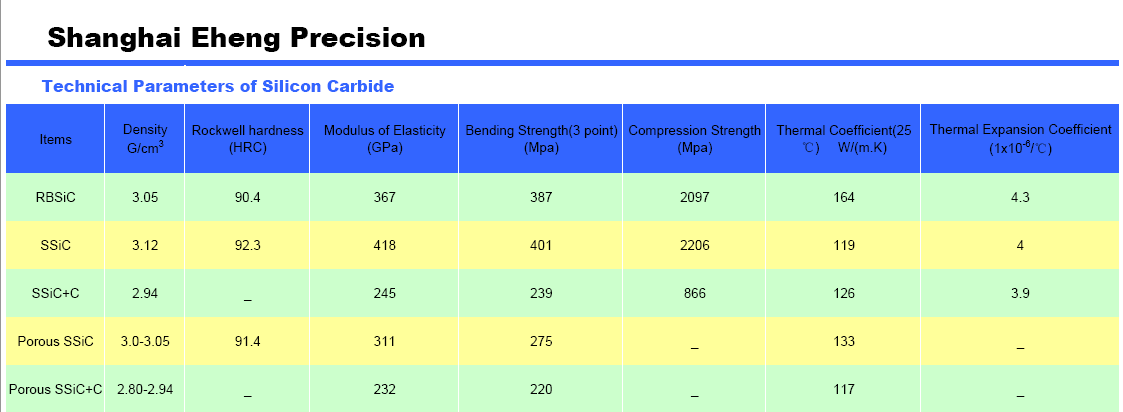
· SSiC (Pressureless Sintered Silicon Carbide): Offers the highest purity, hardness, and corrosion resistance, making it ideal for the most aggressive chemical environments and high-temperature applications.
· SSiC+C (Carbon-Infused Silicon Carbide): Incorporates free carbon to enhance dry-running capabilities and reduce friction, suitable for applications where the pump may experience intermittent loss of prime.
· Tungsten carbide (Nickel or Cobalt Bonded): Sometimes specified for highly abrasive slurries where extreme toughness is required, though it lacks the universal corrosion resistance of SSiC.
· Carbon Graphite: Occasionally used for the stationary bearing in combination with a SSiC shaft sleeve (a "hard-on-soft" pairing) when superior dry-running capability is prioritized over absolute wear life.
Conclusion
The shift to magnetic drive pumps represents a commitment to safety, environmental protection, and operational efficiency by eliminating mechanical seals. However, the reliability of these pumps hinges on the performance of their internal tribological components.
Silicon carbide ceramics, particularly SSiC, have become the enabling technology for modern magnetic drive pumps. By providing unmatched resistance to wear, corrosion, and thermal stress, SSiC components ensure that the promise of "absolute no leakage" is supported by internal durability. For industries handling flammable, toxic, or high-value fluids, the integration of precision-engineered silicon carbide bearings, sleeves, and thrust washers is not merely a design choice—it is a prerequisite for safe, sustainable, and long-term operation.
For more details,contact us freely.